 Uncategorized
What Material is Used in Mudjacking Concrete?
When your concrete driveway starts sinking or your sidewalk develops those telltale cracks, you’re looking at a problem that affects many homes in the country. These issues can be frustrating and frankly, dangerous. But, the good news is that the solution doesn’t always involve a complete removal and replacement.
Mudjacking (also called slabjacking) represents one of the most cost-effective methods for addressing settled concrete. According to Home Advisor, “Mudjacking costs between $3 and $6 per square foot, making it an affordable option that’s 25% to 50% less than replacing the slab.”
The process works by injecting material beneath the concrete to lift it back to its original position. But, what exactly gets pumped under your concrete? Well, actually … that depends on several factors that professionals consider before starting any project.
The Traditional Mudjacking Material Mix
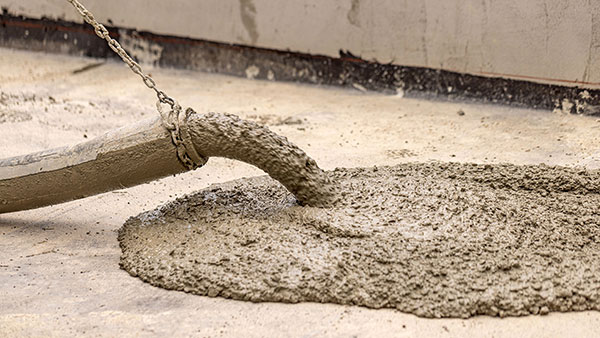
The most common mudjacking material combines three basic ingredients: cement, soil, and water. Sometimes, sand or crushed limestone is included too. This mixture, which professionals often call “slurry,” has been the backbone of concrete lifting for over 70 years.
Contractors typically have their own or preferred version of mudjacking slurry mix. For example, one version goes like this: 8% Portland cement, 50% ground clay, 15% sand, and 27% lime or fly ash mixture. In general, these slurry mixtures will vary across different regions based on the local material available. For instance, in this particular formula, you can increase the amount of sand by 27% if fly ash and/or lime is not readily available.
Contractors will also typically source fine-grade sand that passes through specific mesh sizes. In the example above, ground clay and sand are both passed through #4 sieves while the lime or fly ash mixture is passed through a #50 sieve.
The goal is to achieve a slurry that’s not too coarse nor too fine. The former mixture won’t flow properly through injection holes, while the latter one will give you shrinkage issues down the road.
This is important because a big factor to the fresh mixture’s pumpability is the quality of the sand used in the mudjacking slurry. It can literally make or break the entire operation, as sand quality dictates the strength and stability of the material when it hardens. Using the inappropriate sand, especially in terms of its grain size and grading, can result in ineffective repair or, worse, damage to the concrete slab.
Another factor that requires careful calibration is water content. Too little water makes the slurry unpumpable, while too much water creates a mixture that impacts the final strength and durability of the hardened cement.
“Remember that water is the key ingredient,” University of Illinois Urbana-Champaign’s Department of Materials Science and Engineering shares. “Too much water results in weak concrete. Too little water results in a concrete that is unworkable.”
Polyurethane Foam, the Modern Material Alternative
Besides the traditional mudjacking slurry mixture, there is another slab jacking option that’s available for homeowners: polyurethane foam injection. This modern mudjacking alternative has gained significant traction among professionals over the past several decades.
This material offers several advantages that ce ment-based mixtures simply cannot match.
Material Weight
Polyurethane foam weighs significantly less than the traditional mudjacking slurry mixture. As Alchateck, an international manufacturer and supplier of chemical grouts and construction products states: “Depending on the product, the density of structural polyurethane lifting foam is between 3 ½ and 5 pounds per cubic foot. The same volume of cement grout weighs 140 pounds per cubic foot. This translates to 30 to 40 times more added weight using cement vs. polyurethane.”
Installation Process
The installation process differs dramatically from conventional mudjacking too. Professionals drill smaller holes (typically 5/8 inch versus 1-2 inches for traditional methods), inject the expanding foam, and watch it cure within minutes rather than days. This speed translates directly into reduced labor costs and faster project completion.
Material Cost
This is a major trade off for polyurethane foam. Material costs run significantly higher than cement-sand mixtures. According to American home services website Angi (formerly Angie’s List), polyjacking averages $5 to $25 per square foot, whereas mudjacking only averages between $5 and $25 per square foot.
Additionally, the foam’s long-term performance in varying soil conditions remains somewhat less proven than traditional materials with decades of field performance data.
Regional Material Variations and Local Considerations
Professionals in different geographic regions often modify standard material recipes based on local conditions. In areas with expansive clay soils, contractors frequently add lime or fly ash to improve the slurry’s stability and reduce shrinkage. Cold climate specialists might incorporate air-entraining agents to improve freeze-thaw resistance.
Meanwhile, some regions favor specific sand types based on local availability. River sand, manufactured sand, and even recycled concrete aggregates can find their way into mudjacking mixtures. The truth is that local material knowledge matters tremendously when it comes to mudjacking. For instance, what works in Florida’s sandy soils might perform poorly in Minnesota’s clay-heavy terrain.
Contractors typically conduct soil tests before selecting materials. Clay content, moisture levels, and soil pH all influence material selection. Industry standards suggest that highly acidic soils might require modified cement types or protective additives to ensure long-term durability.
Professional Installation Requirements
Regardless of material type, however, successful mudjacking depends heavily on proper installation techniques. Professionals use specialized pumping equipment calibrated for each material type. Pump pressures, flow rates, and injection patterns all require adjustment based on material properties and site conditions.
Quality contractors typically drill injection holes in carefully planned patterns to ensure uniform lifting and support. The spacing and depth of these holes vary based on slab size, soil conditions, and the degree of settlement being corrected.
Making the Right Material Choice
For property owners facing concrete settlement issues, understanding material options provides a foundation for informed decision-making and realistic project planning.
When all is said and done, material selection for mudjacking projects involves balancing multiple factors: cost, performance requirements, soil conditions, and long-term expectations. Consult with experienced contractors who understand local conditions and can recommend appropriate materials for specific situations.
The bottom line is that successful mudjacking depends less on revolutionary new materials and more on proper application of proven techniques using quality materials suited to site conditions. So, whether you choose traditional cement-sand slurry or modern polyurethane foam, working with knowledgeable professionals ensures optimal results and long-term satisfaction.